Skip to content


Are you noticing more hair than usual circling the shower drain, or a wider part line staring back at you in a photo? The two most common patterns people bring to us at Selfishly Aesthetics & Wellness in San Francisco are actually different problems with different causes.
Understanding hair thinning vs hair shedding is the first step in figuring out what is happening on your scalp and when it is worth doing something about it. This guide walks through how to tell them apart, what tends to cause each, and when a professional evaluation makes sense.
What’s Actually Happening: Shedding vs. Thinning
Shedding and thinning are two distinct processes, and the distinction shapes everything that follows. Shedding is an increase in the amount of hair falling out of your head. Thinning is a decrease in how much hair grows back and in how thick each strand is.
The clinical term for excess shedding is telogen effluvium. It happens when more hairs than usual enter the resting phase at the same time and shed together, often noticeably. Thinning works differently. With thinning, follicles gradually produce finer, weaker strands, and over months or years, the overall density drops.
Here is the simplest way to separate them:
- Shedding is about the volume of hair falling out right now
- Thinning is about hair growing back thinner, sparser, or not at all
Losing roughly 50 to 100 hairs a day is completely normal, so seeing hair on your pillow or in your brush is not automatically a sign of anything wrong.
Why It Happens: The Triggers Behind Each One
The causes behind shedding and thinning are usually different, and that is the biggest clue to which one you are dealing with. Shedding is frequently the body’s response to a temporary stressor. Thinning is more often structural and progressive.
Common shedding triggers include:
- Physical or emotional stress
- A recent illness or high fever
- Childbirth
- Rapid weight change
- Starting or stopping a medication
- A nutritional gap, such as low iron
Thinning, by contrast, tends to trace back to genetics (pattern hair loss), hormonal shifts, age, or an ongoing scalp condition. Timing helps too. Shedding often shows up two to three months after the trigger event, so the cause can feel disconnected from the effect. Thinning creeps in slowly with no clear starting point, which is why people often notice it in old photos rather than in real time.
Sometimes both happen at once, and one can mask the other. That overlap is exactly why self-diagnosis only takes you so far.
How to Tell Which One You Have
You can gather useful clues at home, even though a definitive answer comes from a professional. Start by looking closely at the hair you are actually losing and the pattern it follows.
- Look at the strands. Shedding tends to release full-length hairs. Thinning shows up as shorter, finer regrowth over time.
- Check the pattern. Diffuse loss across the whole scalp points more toward shedding. Thinning often follows a recognizable pattern, such as a widening part, receding temples, or a sparser crown.
- Track the timeline. Ask yourself when it started and if it seems to be improving or steadily advancing.
A home check has real limits. Scalp conditions can look alike from the outside, and two people with similar symptoms can have very different causes. A provider evaluation confirms what a mirror can only suggest.
What a Provider Evaluation Actually Involves
A first evaluation is a conversation and an exam, not a commitment to any procedure. The purpose is to find out what is driving your hair loss so that any next step is based on a real cause rather than a guess.
At a scalp health treatment consultation, you can generally expect a provider to:
- Talk through your history, timeline, and any recent triggers or health changes
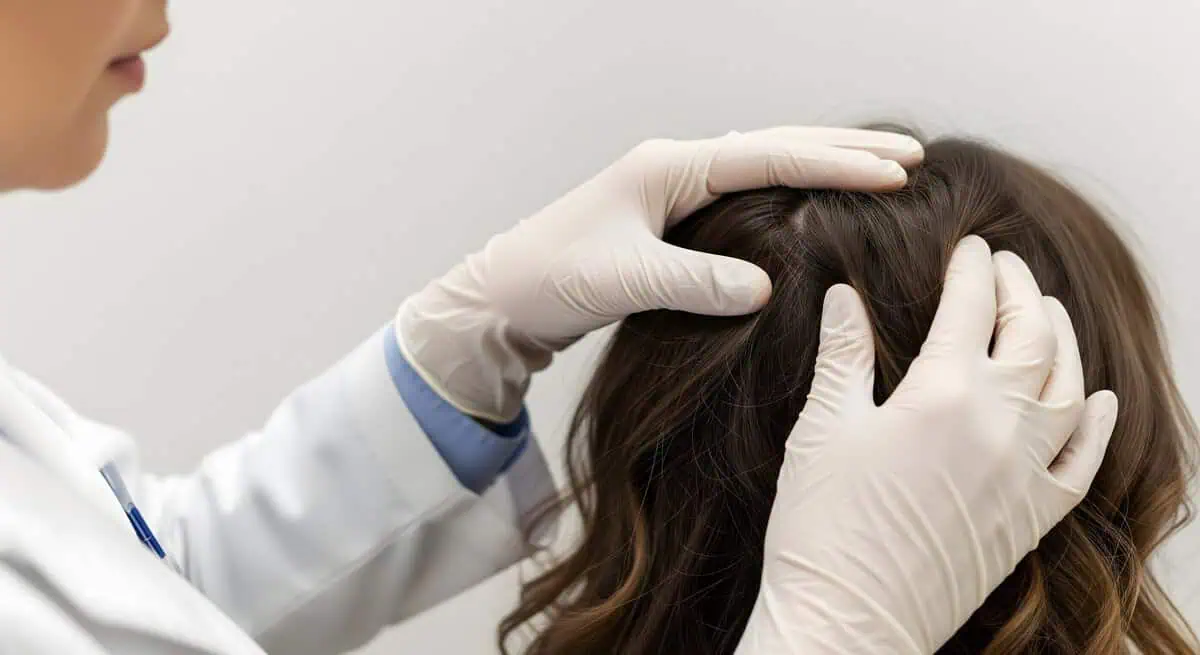
- Examine your scalp and hair up close
- Order lab work where appropriate to check for contributors like thyroid issues or low iron
Identifying the cause comes first because it determines whether anything needs treating at all. Many forms of shedding improve over time or by addressing the underlying trigger, and a qualified provider can tell you when simply waiting is the reasonable path.
What Approaches May Providers Discuss?
If treatment is appropriate, the available hair restoration options range from topical and medical management to in-office regenerative approaches. What suits you depends entirely on your diagnosis, which is why this conversation belongs in a consultation rather than a blog.
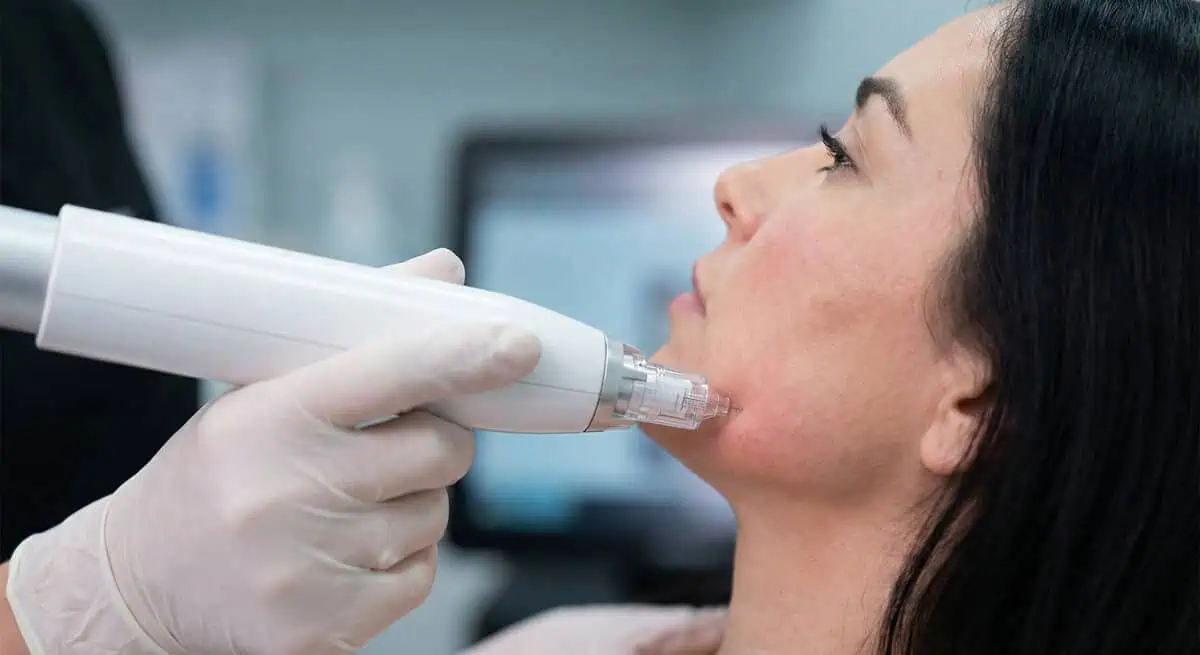
Some clinics, including ours, offer biostimulation approaches such as platelet-rich fibrin (PRF), which uses your own blood-derived growth factors to support follicle activity. PRF is used off-label for hair restoration.
Newer regenerative options, such as exosomes and stem cell approaches, remain investigational for hair loss and are not FDA-approved for this use, so the evidence base is still developing, and outcomes are not yet well established.
A few honest points worth keeping in mind about any hair thinning treatment:
- Results vary from one person to the next
- No approach guarantees regrowth
- Candidacy is always determined during a medical consultation, based on your specific cause and health history.
Ready to Get Real Answers About Your Hair?
Understanding your hair loss concerns is far easier with a trained eye on your scalp rather than a search bar. If your shedding has dragged on for a few months, or your thinning seems to be progressing, the team at Selfishly Aesthetics & Wellness can help you understand what is happening and what your realistic options are. For clarity on hair thinning treatment San Francisco residents can trust, Schedule a Hair & Scalp Consultation with us and start with a straight answer.