Skip to content



Scars improve most when the treatment matches the scar. That one idea explains why laser resurfacing transforms one person’s skin and barely touches someone else’s. At SELFishly Aesthetics & Wellness, scar revision treatment in San Francisco, CA starts with identifying what kind of scar you actually have, then building the plan around it.
If you have been reading about scar treatment options and every source says something different, the confusion makes sense. Most of those sources describe treatments for a scar that isn’t yours.
Why Scar Type Decides Which Treatment Works
Scars fall into three categories you can usually spot on yourself:
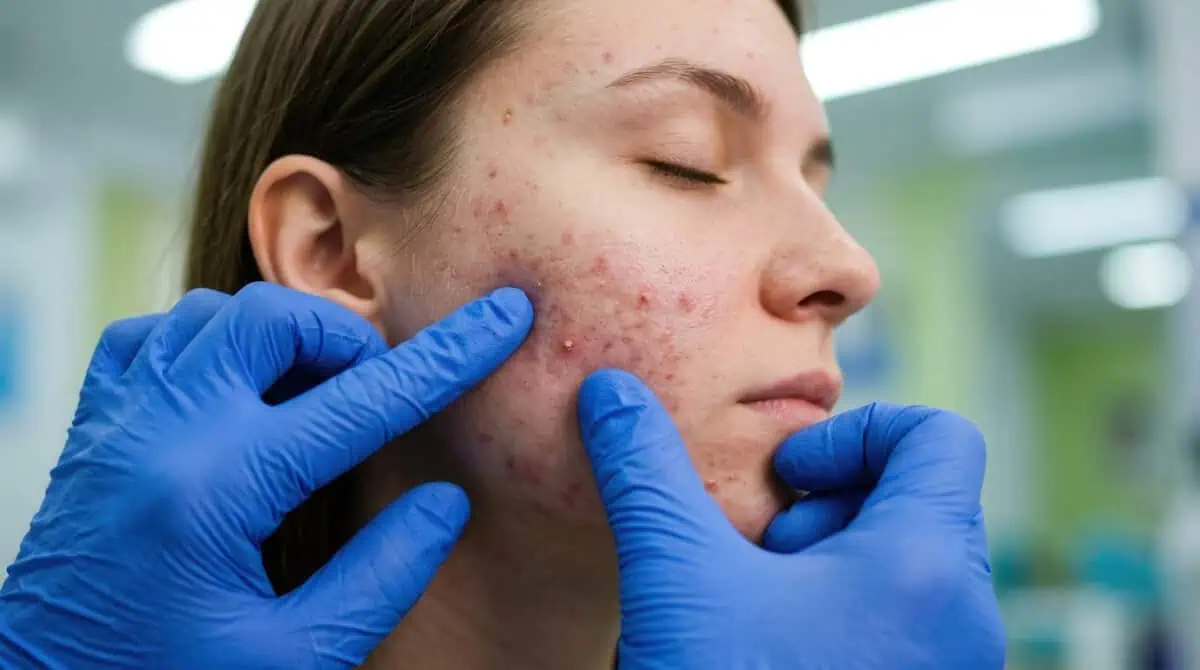
- Atrophic scars sit below the skin surface, leaving sunken pits and rolling dents from acne or chickenpox.
- Hypertrophic scars are raised but stay within the original wound’s borders.
- Keloid scars are also raised, but they grow beyond the original wound.
The difference matters because the underlying problem is opposite. A sunken scar reflects a collagen shortage, so treatment rebuilds it. A raised scar reflects excess collagen, so treatment softens and flattens it. A method that helps one can be the wrong choice for the other.
Stretch marks sit in their own category. They are scars formed in the dermis from rapid stretching rather than from a wound, which is why they respond to collagen-focused treatment.
Treatments That Improve the Appearance of Scars
Four approaches do most of the work: laser resurfacing, microneedling, chemical peels, and regenerative or injectable add-ons layered onto the first two. Combination plans generally outperform any single treatment, which is why scar revision treatment is built as a series of sessions.
Laser Resurfacing
Laser scar treatment removes or heats damaged tissue, helping the skin rebuild with better texture. SELFishly offers CO2 laser resurfacing, an ablative option that removes surface layers and reaches deeper, more established scarring. ResurFX™ is the non-ablative counterpart, working below the surface without removing the top layer, which means less downtime and a gentler recovery.
The right choice depends on the scar’s depth and your skin tone, a call the provider makes after an exam.
Microneedling and RF Microneedling
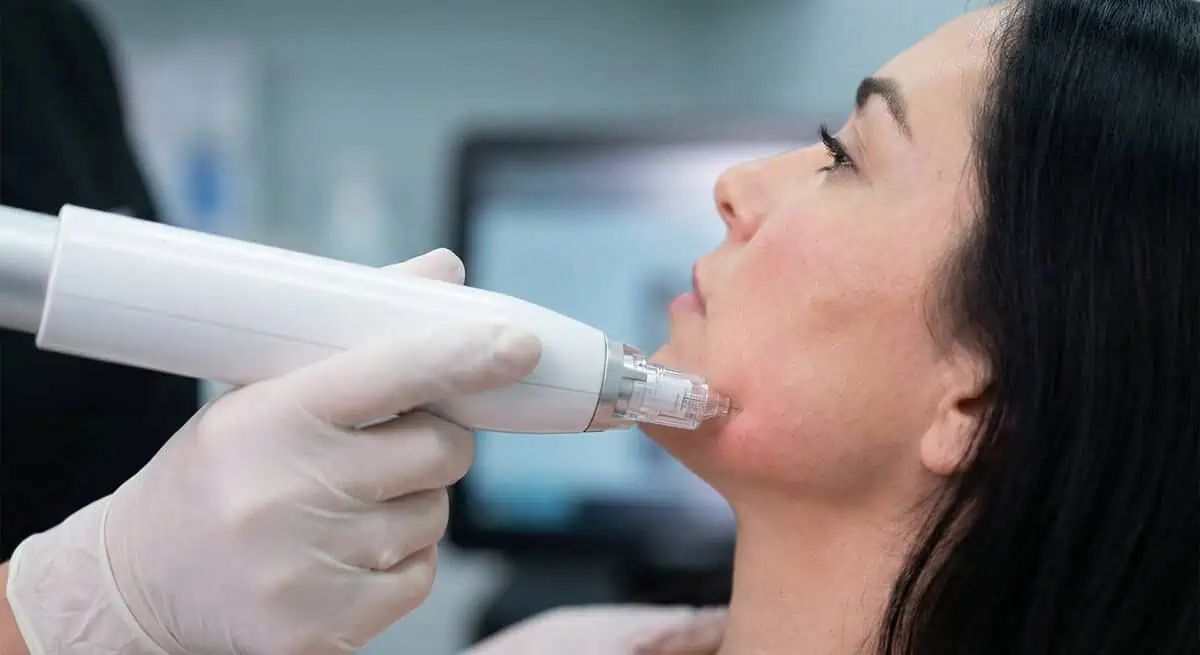
Microneedling is the workhorse for texture. Fine needles create controlled micro-injuries that prompt the skin to produce new collagen exactly where a sunken scar has lost it. SELFishly also offers radiofrequency microneedling, which adds heat energy to deepen that collagen response.
Device selection considers skin tone and scar depth, and microneedling is often chosen for patients with richer skin tones. In a city as diverse as San Francisco, that assessment matters. Most patients receive a series spaced several weeks apart, since collagen builds gradually.
Chemical Peels
Chemical peels address tone and shallow texture, not deeper concerns. They suit discoloration that lingers after a scar has flattened and usually work best as part of a combination plan rather than on their own.
Regenerative and Injectable Add-Ons
SELFishly offers PRF, exosome therapy, and PDRN as add-ons layered onto microneedling or laser sessions. These aren’t standalone scar treatments, and your provider decides during your consultation whether to include any in your plan.
Injectables have a separate role. Where a scar has caused volume loss or pulled the skin into a tethered dent, filling that area can improve how the scar reads on the surface.
Matching the Right Scar Revision Treatment to Your Scar
Here is how the scar types SELFishly treats map to the options above:
- Acne scarring: microneedling, fractional resurfacing, or peels, depending on depth
- Surgical scars: resurfacing and microneedling to blend texture and tone with the skin around them
- Burn and traumatic injury scars: combination treatment across more sessions, sometimes with injectables for structure
- Stretch marks: microneedling, fractional lasers, or skin tightening
Use that as orientation. We set the actual plan at consultation, once a provider can see the scar’s depth, age, color, and how your skin tends to heal. Two people with acne scarring often leave our San Francisco, CA scar treatment consultations with different plans for exactly that reason.
How Much Improvement Is Realistic
No treatment fully erases a scar. Scar revision treatment can reduce scar visibility by softening raised texture, filling sunken texture, and evening out color so the scar stops catching the eye.
Most patients notice change within a few weeks, with improvement typically continuing across several months as collagen remodels. That slower arc is normal.
Three factors shape your result: the scar’s age, its depth, and your skin type. Newer scars often respond faster, deeper scars usually need more sessions, and your skin type helps determine which device is appropriate.
Common Questions
How soon will I see results from scar treatment?
Most patients notice improvement within a few weeks, and results typically continue to improve over several months.
Are scar treatments painful?
Most patients tolerate these procedures well. Numbing cream is available for laser and microneedling sessions, and discomfort is typically mild.
How many sessions will I need?
It depends on scar type and depth. Many patients get the most from a series of treatments spaced several weeks apart.
Can scar treatments be done safely on deeper skin tones?
Device selection depends on skin tone, and your provider assesses this before treatment. Microneedling and non-ablative options like ResurFX™ are frequently chosen for patients with richer skin tones.
Your Scar Does Not Have to Be the First Thing You See
You have probably spent more time looking at that scar than anyone else ever will. What is worth holding onto is this: the treatment that works is the one matched to your scar. Sunken acne scarring responds to microneedling and resurfacing that rebuild collagen. Raised surgical and burn scars need a plan to soften and blend them. Stretch marks follow their own path. None of it erases a scar, but most patients see meaningful change in texture and tone over several months.
The next step is simply having someone look at it. In one visit, a provider can tell you which category your scar falls into, which treatments suit your skin tone, and what is realistic to expect, replacing guesswork with a plan. Explore scar revision treatment with us and schedule your scar treatment consultation in San Francisco, CA, when you are ready.