Skip to content


Vaginal dryness during menopause is a physical tissue change with real in-office treatment behind it, not something to quietly manage with drugstore products indefinitely. Several vaginal dryness treatment options are available now, and the right one depends on which symptom most affects your daily life.
Does Menopause Change Vaginal Tissue?
Estrogen keeps vaginal tissue thick, elastic, and well supplied with blood. When estrogen declines during perimenopause and menopause, that support system winds down. Blood flow to the area decreases, collagen production slows, and the glands responsible for natural lubrication become less active.
The clinical name for this cluster of changes is genitourinary syndrome of menopause, sometimes shortened to GSM. It describes what happens when vaginal and urinary tissues lose the hormonal support they had for decades. You may also see the older term vaginal atrophy, which is why vaginal atrophy treatment and dryness treatment often refer to overlapping approaches.
These changes are also progressive. Unlike hot flashes, which typically ease with time, tissue thinning tends to continue without intervention, which is why many patients look for treatment years after menopause rather than during it.
What Are The Symptoms That Patients Notice First?
Dryness is rarely the only change, and it is often not the first one noticed. Menopause intimate changes tend to arrive as a cluster, and patients describe them in their own words long before they know there is a clinical explanation.
The most commonly reported symptoms include:
- Dryness and a sense of tightness or irritation, particularly during intimacy or after exercise
- Discomfort or pain during sex, which is why painful intercourse after menopause is one of the most searched concerns in this category
- Reduced sensation, or a feeling that things register differently than they used to
- Bladder changes, including sudden urgency, waking at night, or leaking when you laugh, sneeze, or lift something
- Laxity or shifted pelvic support, especially common when menopause follows one or more vaginal deliveries
Different symptoms respond to different treatments, so identifying which one affects you most is the practical first step.
When Do At-Home Options Stop Being Enough?
Over-the-counter moisturizers and lubricants are a reasonable starting point, and we never discourage them. What they do is address comfort in the moment. What they cannot do is change the thickness, elasticity, or blood supply of the tissue itself, which is why relief lasts about as long as the application does.
Pelvic floor exercises have a similar ceiling. They help some patients, but a large share of people perform them incorrectly without guidance, recruiting the wrong muscles entirely. Technique, not effort, is usually the limiting factor.
Certain symptoms are a signal to be evaluated rather than managed at home:
- Discomfort or pain affecting intimacy or daily comfort
- Bladder urgency or leaking that has changed your routine
- Dryness that persists despite consistent moisturizer use
- Bleeding, unusual discharge, or new pain of any kind
Before any treatment is recommended, a provider evaluates the tissue and rules out other causes. Anyone considering vaginal dryness treatment in San Francisco should expect that assessment to come first, not a treatment plan.
Energy-Based Treatments for Dryness and Tissue Quality
Energy-based treatments are the most direct answer to dryness because they address tissue quality rather than surface comfort. At SELFISHLY Aesthetics & Wellness, we offer two.
Forma V uses non-invasive radiofrequency to gently and consistently warm the vaginal tissue. That controlled heat supports collagen activity and blood flow, which is how it addresses dryness, laxity, and overall comfort. Nothing is cut or removed, and most patients describe the sensation as warm rather than painful.
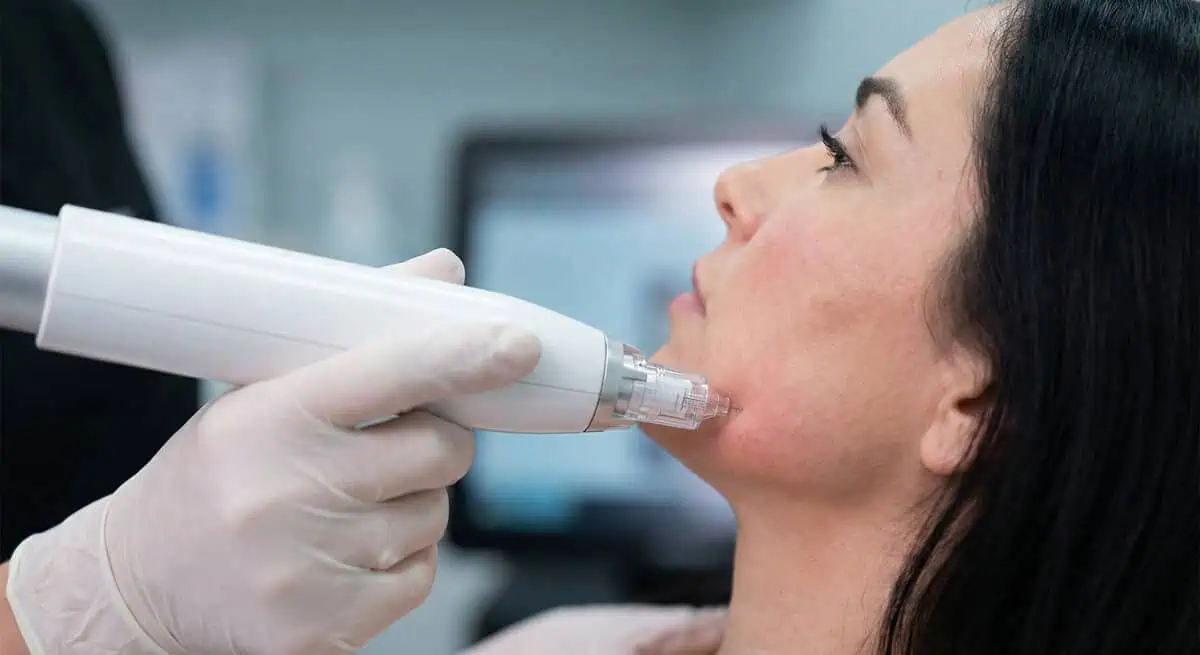
Morpheus8 V pairs radiofrequency with microneedling, delivering energy to a deeper level than surface treatments reach. We use it when the priority is collagen remodeling, tissue health, and labial appearance rather than dryness alone.
Both are typically performed as a short series rather than a single session, with change building gradually as collagen responds. Candidacy is assessed individually, and results vary based on tissue condition, health history, and the duration of symptoms.
Pelvic Floor Treatment for Strength and Bladder Control
Bladder control and pelvic support come from muscle, so they need a different tool.
V Tone uses electrical stimulation to contract the pelvic floor muscles more completely and more consistently than most people can achieve voluntarily, without the technique problem that limits at-home exercises. It is used for urinary urgency, stress incontinence, and overall pelvic support. Sessions are brief, there is no downtime, and patients typically return to normal activity right away.
We often pair pelvic floor toning with a tissue-focused treatment, because the two address genuinely different problems. Treating dryness does not strengthen muscle, and strengthening muscle does not restore tissue moisture.
Injectable Options for Tissue Support and Sensation
Injectable approaches constitute a smaller, more selective part of vaginal rejuvenation care and require honest framing.
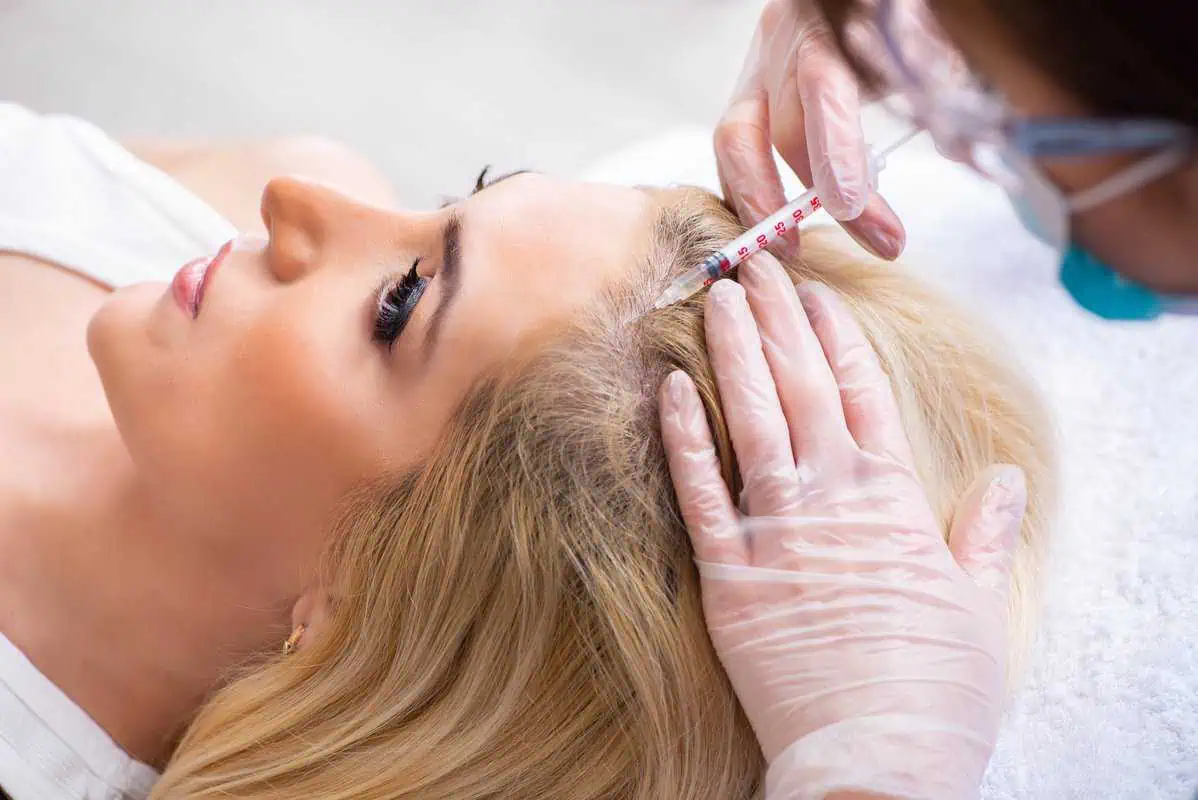
Biostimulatory injectables such as Sculptra® work by prompting the body to build its own collagen over several months rather than adding volume directly. Dermal filler can support tissue volume where thinning has occurred. G-Shot® involves injectable placement intended to support sensitivity.
These specific applications are considered off-label, and the evidence base for intimate use is still developing. We are direct about that, and a provider explains what current research does and does not support before anything is scheduled.
How Does a Provider Help You Choose the Right Option?
The starting question in every intimate wellness consultation is simple: which symptom is bothering you most? Dryness, bladder control, laxity, and sensation each point toward a different starting treatment.
From there, we look at:
- Health history, including any hormone-sensitive conditions
- Current medications and supplements
- Any menopause treatment you are already receiving under a physician’s care
- How long symptoms have been present and how they affect daily life
Combination planning is common. A patient dealing with both dryness and leaking is usually better served by pairing approaches than by picking just one. The consultation itself is private, unhurried, and conversational, and leaving with information rather than an appointment is a completely acceptable outcome.
You Deserve to Feel Comfortable in Your Own Body Again
Menopause changes vaginal tissue, but it does not have to be the last word on your comfort. Real treatment options exist; they work in different ways, and choosing between them starts with a conversation rather than a catalog. Schedule your private intimate wellness consultation today to explore personalized treatment options for vaginal dryness and menopause-related changes.